100 YEARS OF CAPITOL THEATRE HISTORY:
From a Dance Hall and Silent Films to Digital Movies and a Mysterious Stagehand
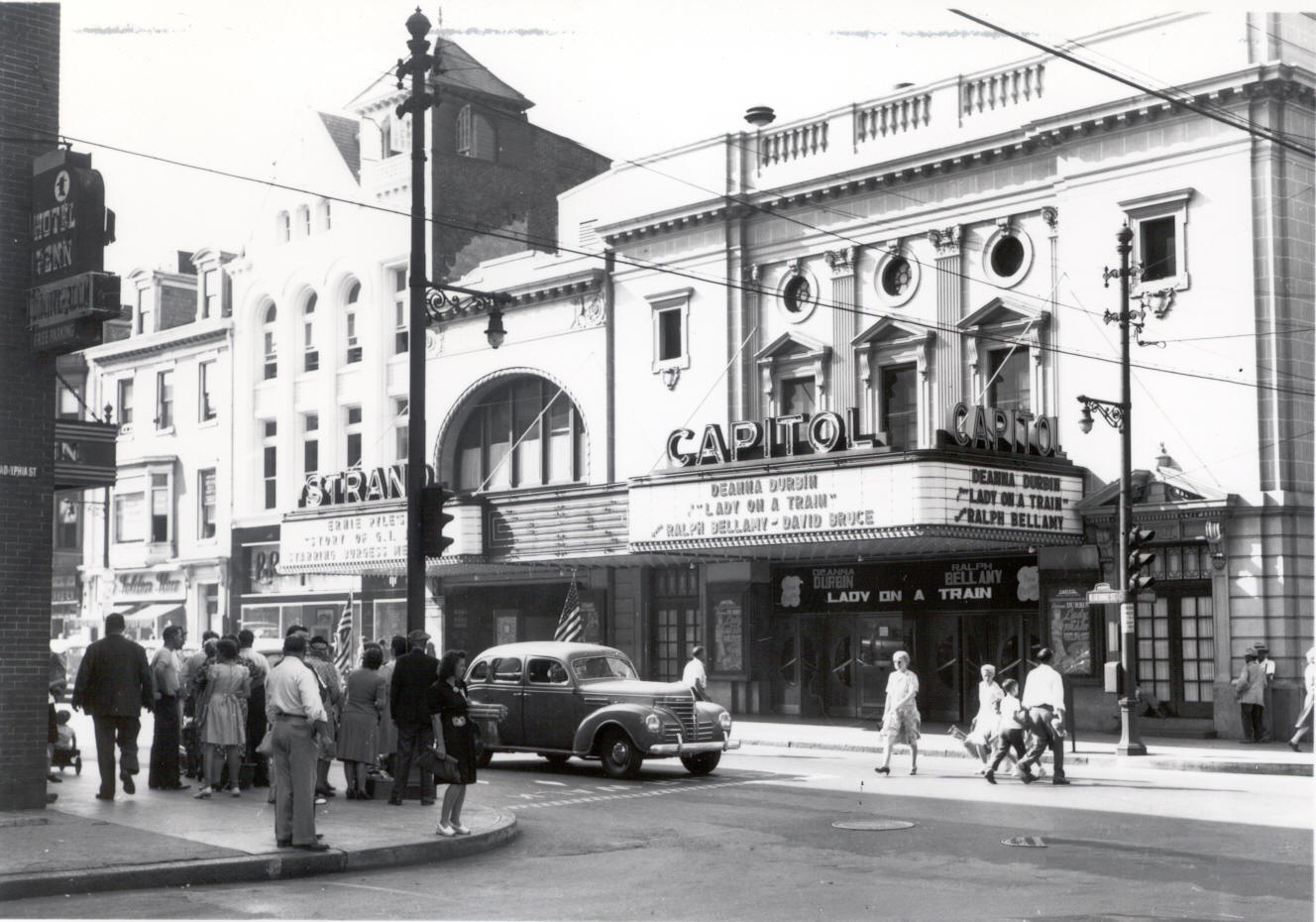
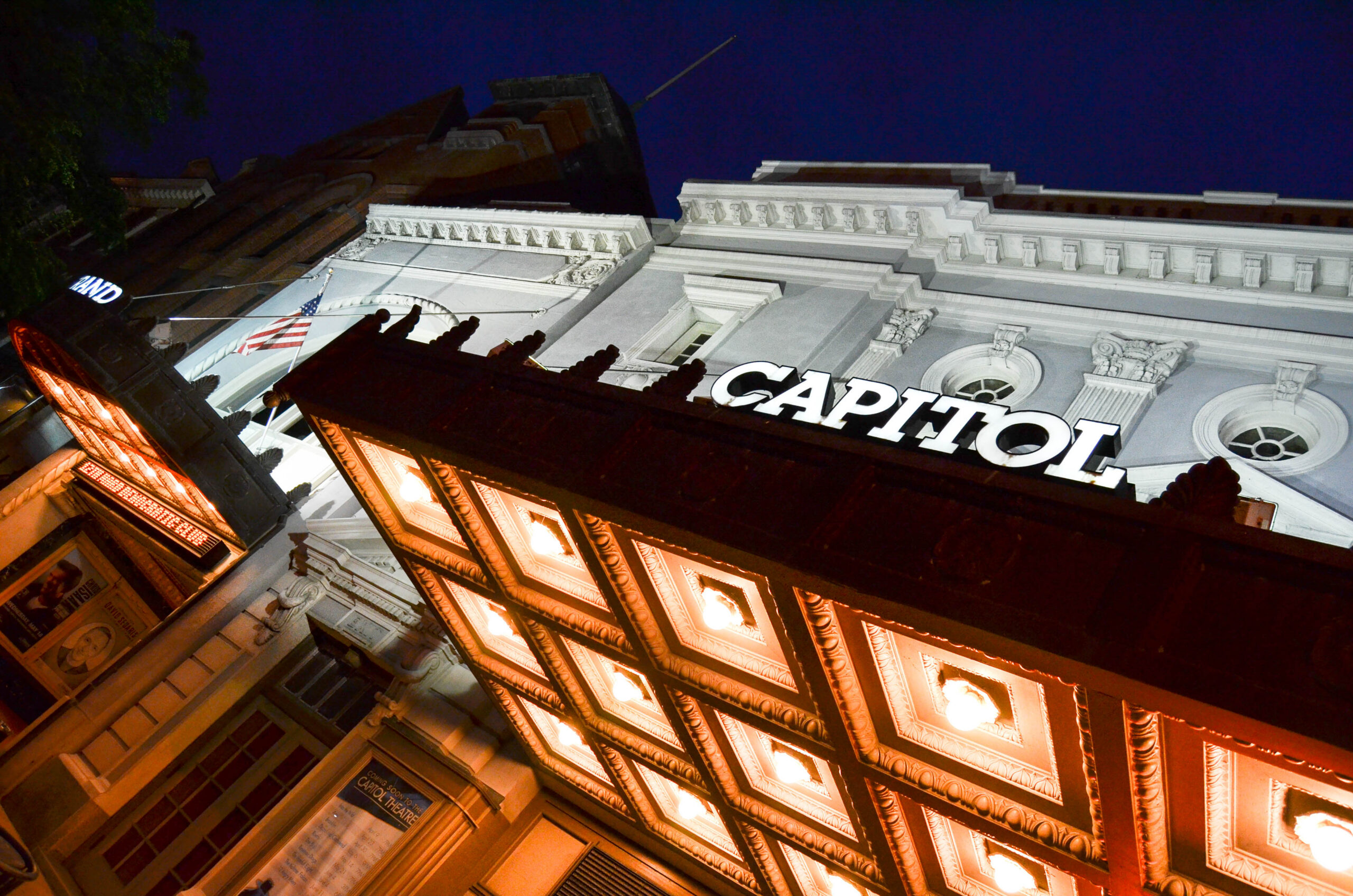
Nestled at the corner of North George and Philadelphia Streets, the Capitol Theatre is one of Downtown York’s most recognizable historic landmarks. With its iconic windows and leaf-adorned marquee, the building offers passersby a glimpse into another era. But the real magic begins when you step through the doors.
This historic building has been a dance hall, an early movie house, a music venue and a modern digital cinema. It has survived closures, undergone renovations and preserved silent film experiences for multiple generations.
But despite all its periods of restoration and reinvention, there are some stories of the Capitol Theatre that remain a little harder to explain…

From The Theatorium to the Jackson
The story begins in 1906, when this space opened as a dance hall and a film and entertainment gathering space, called The Theatorium. By 1908, R.L. Jackson expanded the venue into the adjoining Bacon building (part of the future footprint of the Strand Theatre), and renamed it the Jackson Theatre. It soon became known as one of the region’s largest places to see popular motion pictures, which was becoming an increasingly popular form of entertainment.
As crowds continued to grow, the theater adapted. A 1917 renovation added a balcony and raked floor and removed support poles to improve sightlines, transforming the space into a more dedicated film house.
A New Name Takes the Marquee
In 1926, one year after Appell Enterprises opened the Strand Theatre next door, Nathan Appell (grandfather of Louis Appell, Jr.), acquired the Jackson Theatre to add to Appell Enterprises’ growing list of downtown York entertainment venues like the York Opera House and the Orpheum. It reopened under the name the Capitol Theatre on August 9, 1926, with a screening of The Black Pirate, a silent adventure film starring Douglas Fairbanks.
In 1930, as Hollywood studios expanded their ownership of local movie houses across the country, the Appell family sold the Strand and Capitol Theatres to Warner Bros.
The Show Must Go On
After World War II, downtown theaters across the country faced growing competition from suburban shopping centers and multiplexes. By the mid-1960s, attendance at the Strand and Capitol Theatres declined significantly, and both theaters ultimately closed in 1977.
Fortunately, the final credits hadn’t rolled just yet. Local leaders, organizations and community advocates came together to save and restore these historic buildings, reopening them in 1980 under a new organizational umbrella, Strand-Capitol Performing Arts Center.
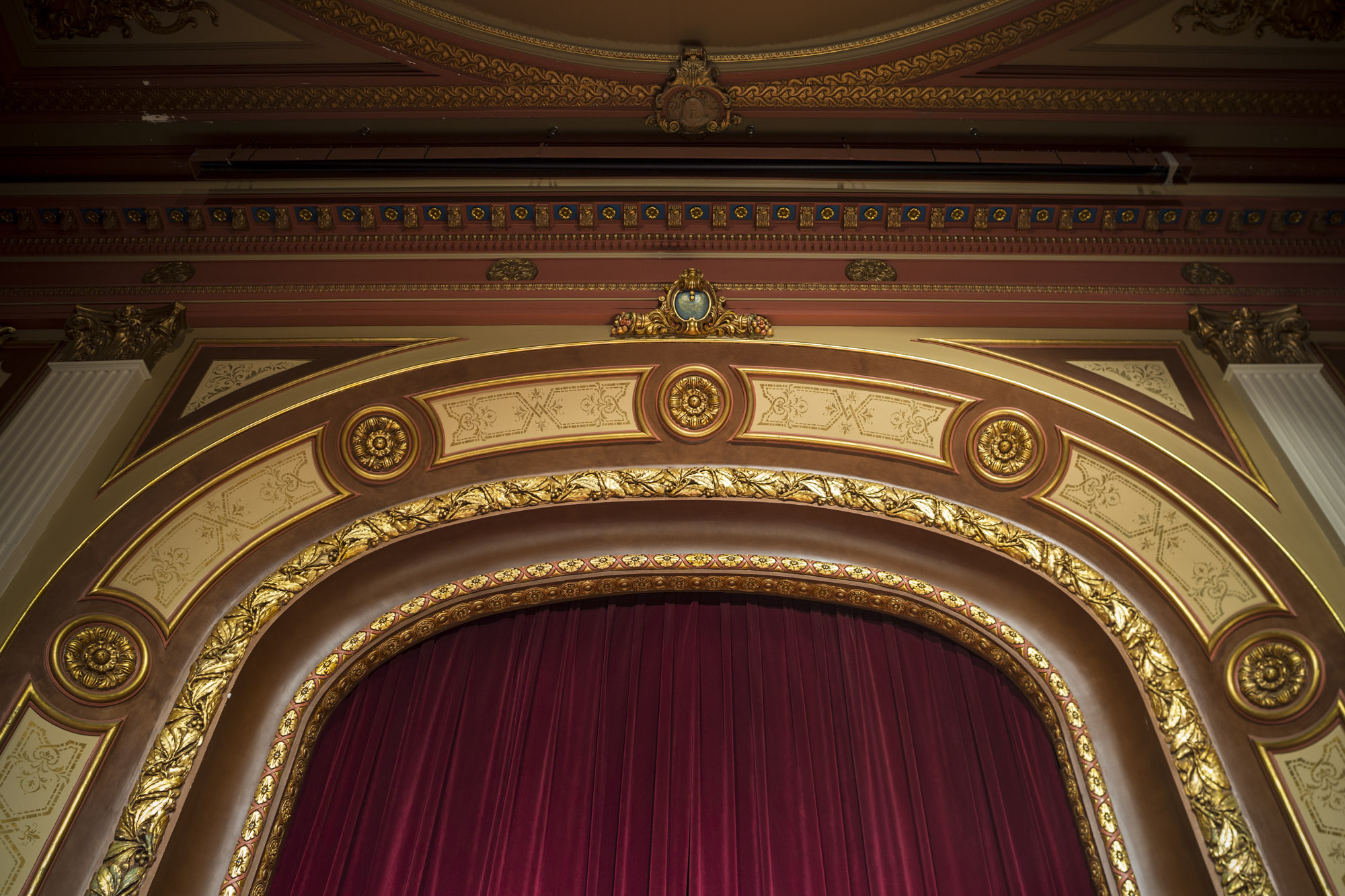
Years later, in the early 2000s, the Capitol Theatre’s original proscenium arch was discovered behind a wall and restored during a major renovation of the two theatres.
Old-School Charm Meets Digital Cinema
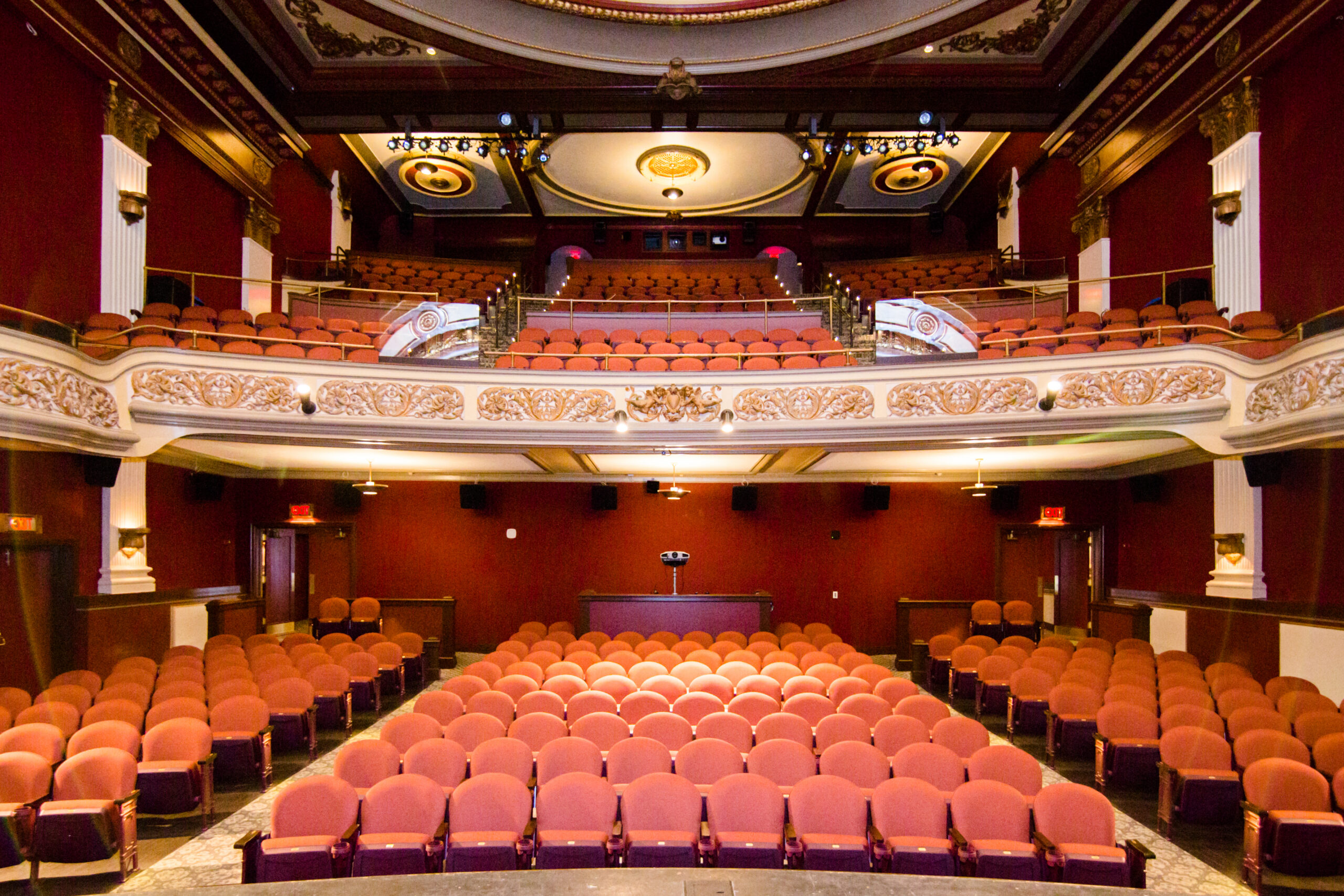
The Capitol Theatres’s most recent transformation came in 2018 with an extensive renovation designed to infuse modern technology and amenities into the beloved 450-seat theater. Upgrades included a digital cinema projector, surround sound, an automated screen, new seating, renovated restrooms and a new concessions area.
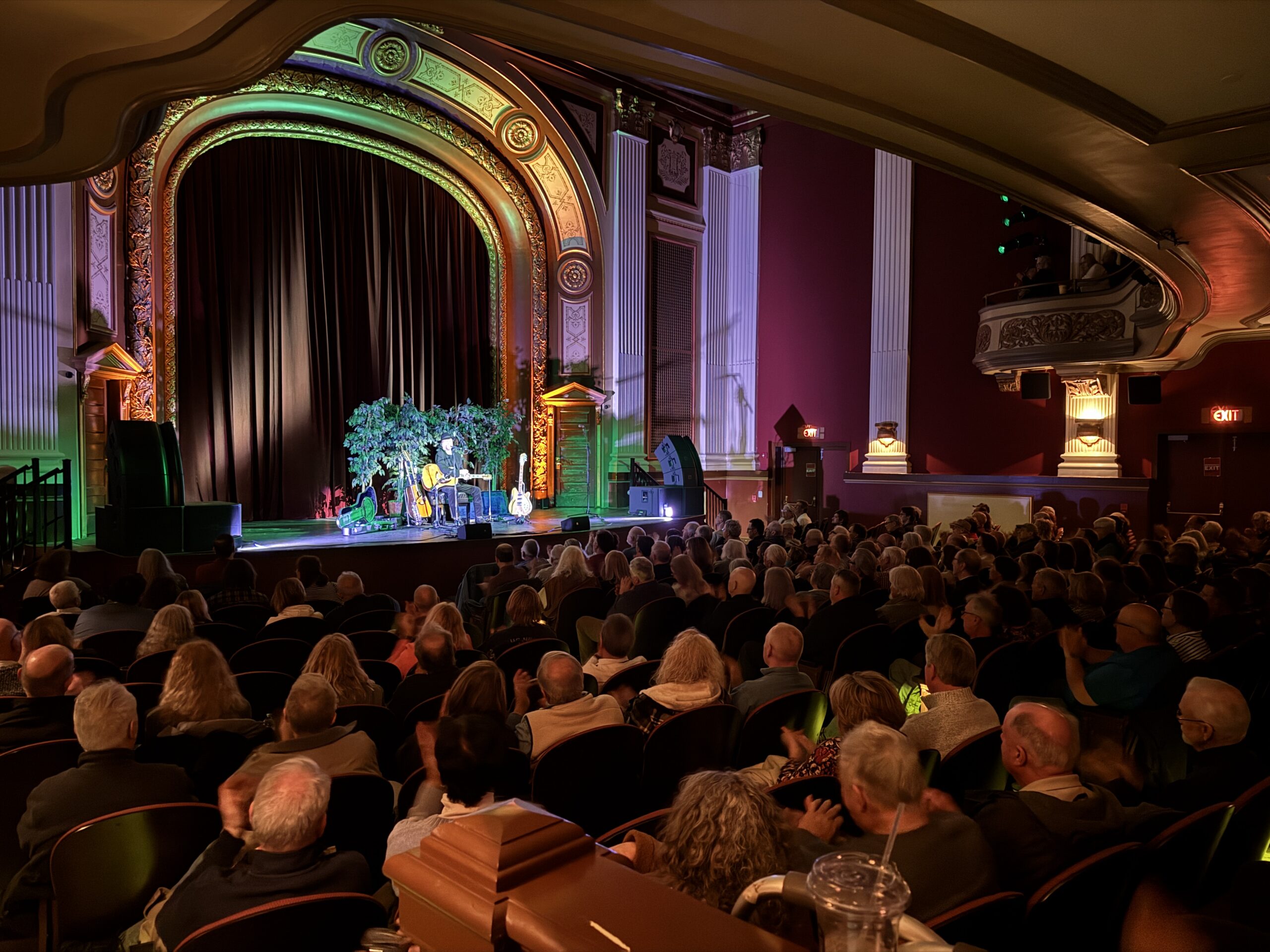
The renovation also paid careful attention to preserve the details that make the Capitol Theatre enchantingly historic, including the proscenium arch and its gold-leaf highlights, along with small painted murals discovered above the concessions area. Today, the Capitol Theatre hosts a wide variety of events, including films, concerts, comedy, education programs, community events and more.
The Mighty Wurlitzer Plays On
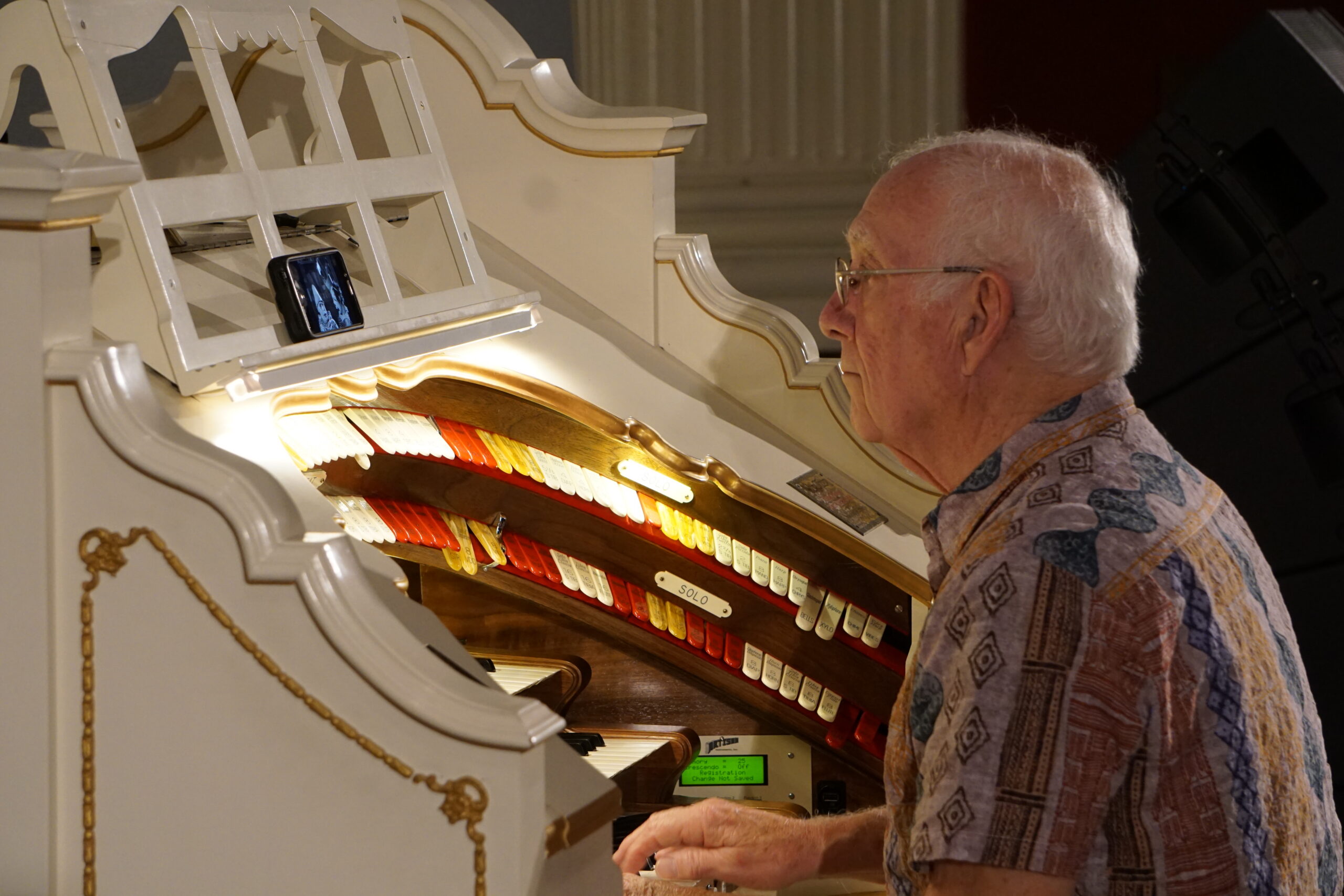
One of the Capitol Theatre’s most treasured traditions dates back to the silent film era. A Wurlitzer pipe organ was first installed in the facility as part of the 1926 renovation. The organ provided live musical accompaniment for movies before recorded dialogue and sound became standard.
To preserve this legacy, a similar “Mighty Wurlitzer” is part of the Capitol Theatre experience today. Members of the Susquehanna Valley Theatre Organ Society play the organ before most film screenings and provide live accompaniment for special silent-film presentations, giving modern audiences the chance to experience movies much as theatergoers did a century ago.
On September 25, 2026, National Silent Film Day, organist and Organ Society member provided live accompaniment for Charlie Chaplin’s The Circus at the Capitol Theatre, as well as on October 10 during silent film favorite Nosferatu. Kinnier has spent 25 years playing the theatre organ and loves surprising audiences with all the sounds the instrument can produce, from jazz instruments like saxophones, trumpets and drums, to real life things like slide whistles, sirens and auto horns. He especially loves accompanying comedy silent films and hearing the laughter of the crowd behind him.
Kinnier and the Susquehanna Valley Theatre Organ Society are also passionate about sharing the story of theatre organs and the importance of their continued preservation. “When films with sound came in, theatres that had organs didn’t actually need them so a lot of American theatres just simply threw them out or stopped using them. When my generation is gone, unless there are people who are really interested and fascinated to take over the hobby, they might vanish,” said Kinnier.
The Story of the Devoted Stagehand
The Capitol Theatre’s history isn’t limited to what can be found in newspapers and archives. Over the years, staff and audience members have shared stories about a mysterious figure who may still be keeping an eye on the place.
Local historian, author and ghost-tour guide, Rissa Miller has included the Strand and Capitol Theatre buildings on her York tours since 2022. Miller says she has independently heard similar accounts from multiple people of a figure who has lovingly become known as “The Stagehand.”
All the witnesses describe a man dressed in 1920s clothing and a hat, sometimes leaning on a broom and looking so ordinary that he could easily be mistaken for another person working in the theater. Other encounters have included an unexplained smell of whiskey and cigar smoke or the sound of whistling, which was a common way that stagehands communicated backstage in the early twentieth century.
One account shared with Miller came from a cleaning person working at the theater around 2am after a late-night event. The person confessed to not putting in their best effort and reportedly spotted the Stagehand watching with a distinctly disapproving expression. Under the Stagehand’s watchful eye, the individual decided to pay a bit more attention to the quality of their work. Another person working in the projection room reported feeling a sudden chill and smelling whiskey and cigars, although no one was there. Miller notes that the consistency of stories shared independently by different people is part of what makes them so interesting.
“Most historic theatres report the spirit of a past performer, but this particular spirit feels much more like a caretaker of the theatres. He seems to take great pride in what he does, which was very common in that era. No one has reported that the interactions were frightening in any way. Most spirits are not. The Stagehand is also reported as looking ‘different’ but not glowy or white. That common description of spirits comes from Victorian mourning lore but is not representative of most spiritual encounters,” says Miller.
No matter what you believe, the legend of the Stagehand’s has become another chapter in a building with more than a century’s worth of stories to tell.
Primed for the Next 100 Years
Today, the Capitol Theatre looks very different than it did when The Black Pirate appeared on its screen in 1926. Movies have gone from silent to sound and from film reels to digital projection. The building has been rundown, rediscovered and revived, and generations of York community members have each had their own part in its story.
What makes the Capitol Theatre truly special has never changed. Audiences still gather together as the lights go down to share in the magic of the arts. The sound of a Wurlitzer still fills the theater and thrills audiences. And depending on whom you ask, there may still be a Stagehand making sure everything is just right.